Unraveling Reward Linkages: Transaction Velocities Connecting Bonus Tiers to Progressive Results in Multi-Device Slot and Table Combinations
Drew Fischer · Aug 17, 2026
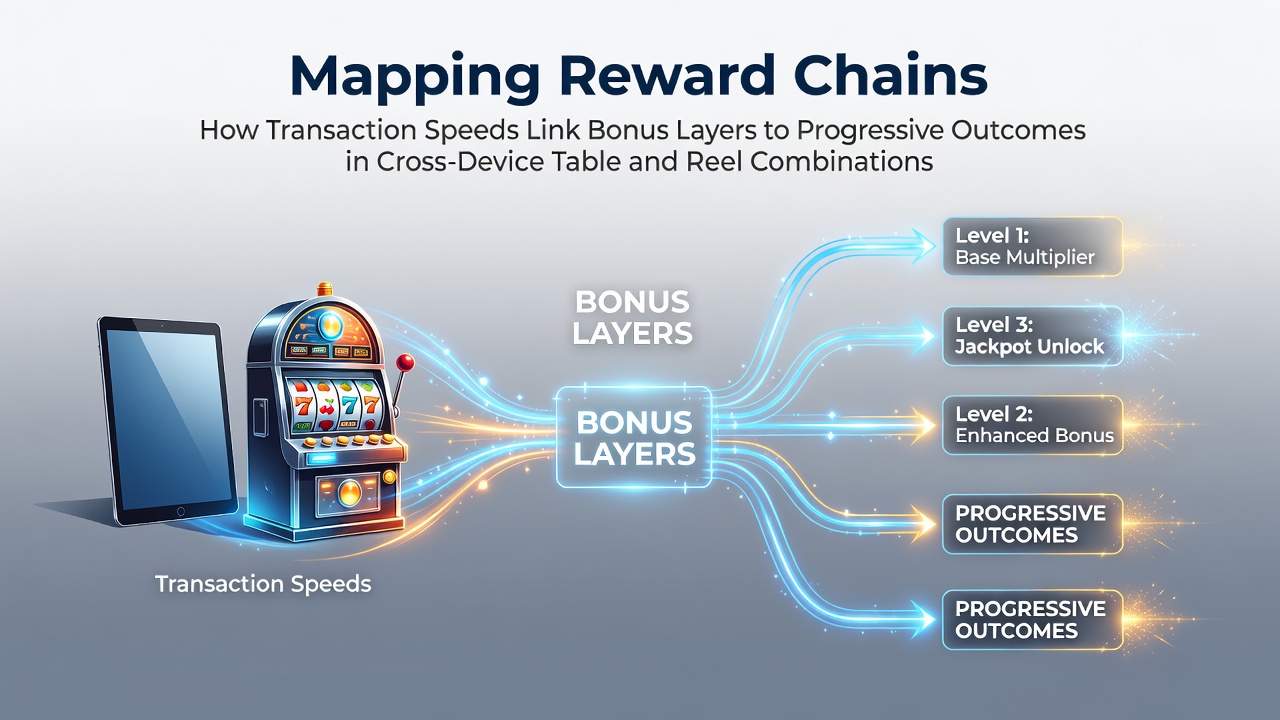
Unraveling Reward Linkages: Transaction Velocities Connecting Bonus Tiers to Progressive Results in Multi-Device Slot and Table Combinations
Transaction speeds shape how bonus layers integrate with progressive outcomes in cross-device setups where players move between table games and reel combinations on phones, tablets, and desktops. Data from industry monitoring shows that faster payment processing often unlocks layered incentives before progressive meters advance to new thresholds, creating chained sequences that span multiple game types and platforms.
Core Mechanics of Reward Chains
Observers note that reward chains form when deposits clear quickly enough to activate bonus tiers that feed directly into progressive jackpots on both slot reels and table progressions. Researchers have tracked how a single transaction can trigger an initial free spin allocation on mobile reels, then carry that value forward when the same account logs into a desktop table game where progressive pools continue accumulating. Studies indicate these linkages depend on processing times measured in seconds rather than minutes, because delays allow meter resets or bonus expirations to interrupt the sequence.
One analyst who reviewed transaction logs across platforms found that sub-three-second clearances consistently positioned players to stack bonus multipliers onto progressive contributions in reel combinations before shifting to live table sessions on another device. The same data sets revealed slower clearances above eight seconds frequently broke the chain, leaving bonus layers isolated from the progressive outcomes they were designed to enhance.
Transaction Velocity and Bonus Layer Activation
Payment velocity determines whether bonus layers activate in time to influence progressive results. Figures from multiple operator systems demonstrate that instant deposit confirmations allow players to enter reel combinations with active multipliers that carry over when the session moves to table games on a different device. In contrast, batch-processed payments often arrive after initial bonus windows close, severing the connection to accumulating jackpots.
Industry reports compiled in August 2026 highlighted that operators adopting real-time rails saw measurable increases in chained bonus-to-progressive conversions across mobile and desktop environments. Those reports tracked thousands of sessions where rapid clearances enabled players to apply table game outcomes back onto slot progressive meters without resetting the bonus tier status.
Cross-Device Integration Patterns
Cross-device play introduces additional variables because session continuity relies on synchronized account states. Experts tracking user flows observed that seamless handoffs between phone reel sessions and tablet table games preserved progressive linkages only when the underlying transaction had already cleared. Delays during device switches frequently caused bonus layers to detach from the progressive pool, forcing players to restart accumulation sequences.
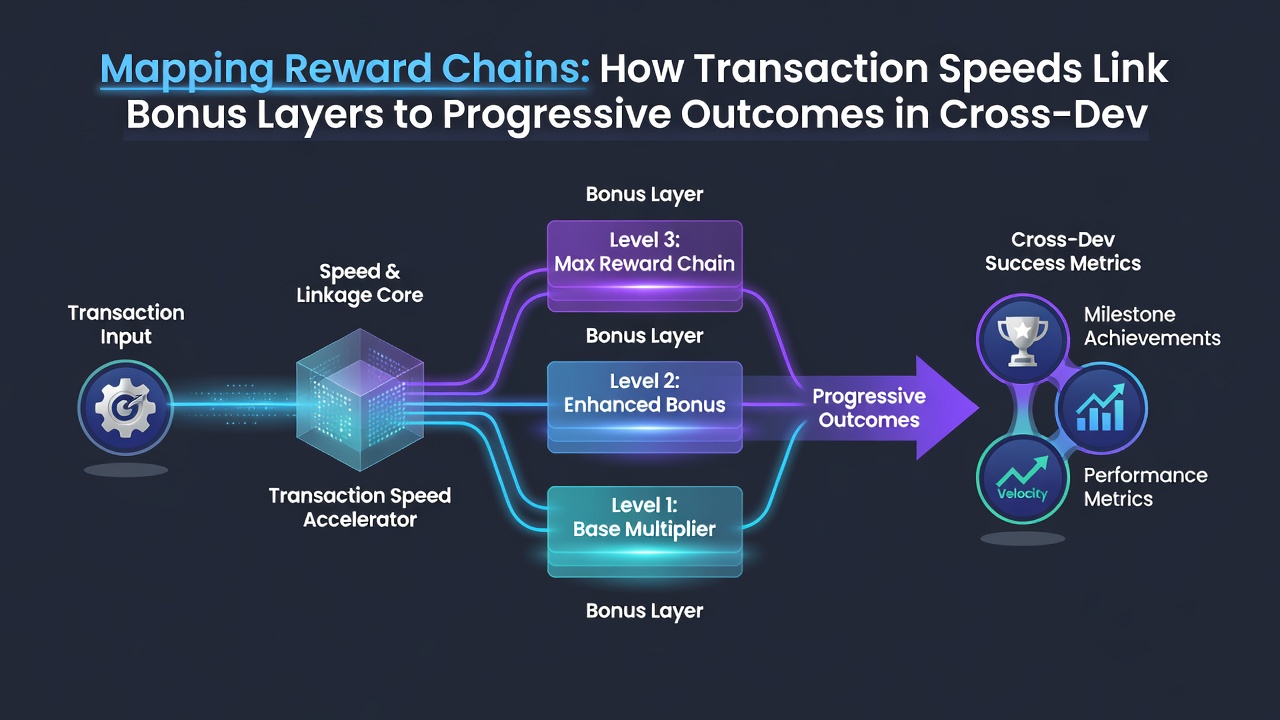
Take the case documented by one research group that monitored account activity across three platforms simultaneously. When deposits processed in under two seconds, the bonus multipliers applied on mobile reels remained active during desktop table play, allowing progressive contributions from both game categories to combine into single jackpot pathways. Slower transactions broke this continuity, requiring separate bonus activations on each device.
Progressive Outcome Dependencies
Progressive outcomes in reel combinations and table games respond directly to the timing of bonus layer contributions. Data sets compiled by academic researchers at gaming technology centers show that rapid transaction confirmations increase the frequency with which bonus funds reach the progressive meter before external factors such as game resets or session timeouts intervene. The same studies found that cross-device players who maintained transaction speeds below four seconds achieved higher average progressive accumulation rates compared with those experiencing variable clearance times.
Operators have adjusted backend systems to prioritize speed because these measurements correlate with sustained engagement across device types. Records indicate that platforms supporting instant e-wallet and banking app transfers maintain tighter connections between bonus tiers and progressive results, while traditional card processing introduces gaps that fragment the reward chain.
Mapping Techniques Used in Current Systems
System designers now map reward chains by logging transaction timestamps against bonus activation events and progressive meter increments. According to findings published by the University of Nevada's gaming research division, these maps reveal distinct clusters where sub-second clearances produce unbroken sequences from mobile reel bonuses through desktop table progressives. The maps also identify breakpoints that occur when network latency or processor queues extend clearance beyond five seconds.
Canadian regulatory data released through the Alcohol and Gaming Commission of Ontario similarly tracks how transaction speed influences layered incentive delivery in multi-platform environments. Those figures confirm that consistent velocities under three seconds support the longest continuous reward chains spanning reel and table combinations.
Conclusion
Transaction speeds function as the connective tissue that binds bonus layers to progressive outcomes in cross-device table and reel environments. Evidence from operator logs, academic analyses, and regulatory monitoring demonstrates that clearances measured in seconds rather than minutes determine whether players can carry incentive value from one game category and platform to another without interruption. As systems continue refining real-time processing, the mappings of these reward chains become more precise, showing clear patterns of linkage that depend entirely on velocity at each step.