Transaction Speed Shapes Bonus Structures in Mobile Gaming Platforms
Leon Carter · Aug 22, 2026
Transaction Speed Shapes Bonus Structures in Mobile Gaming Platforms
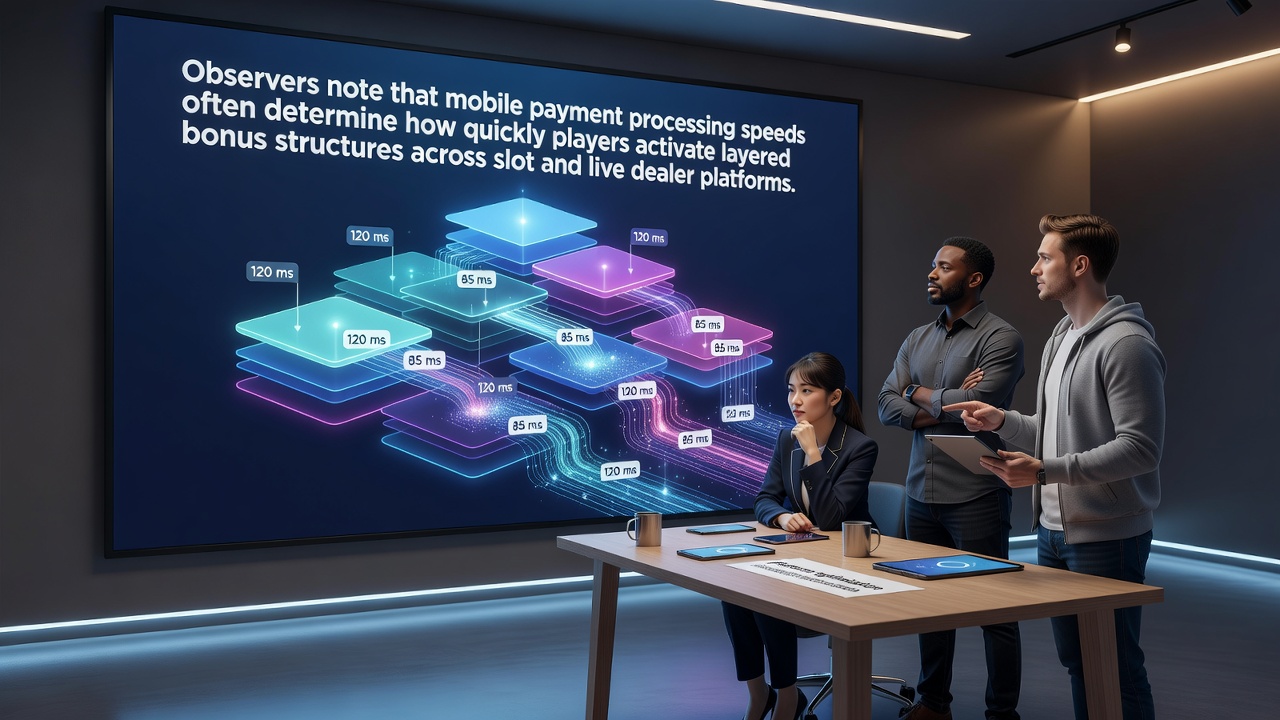
Observers note that mobile payment processing speeds often determine how quickly players activate layered bonus structures across slot and live dealer platforms, and data from industry reports shows this connection holds across multiple markets. Payment gateways now handle authorizations in under two seconds on average, which allows sequential bonus claims to stack without interruption, whereas slower systems create gaps that reset eligibility timers in many applications.
Core Mechanics of Payment Velocity and Bonus Layering
Payment processors integrate directly with casino account ledgers, and this integration means deposit confirmation triggers immediate bonus code recognition rather than requiring separate manual entry. Studies from the American Gaming Association indicate that platforms using real-time settlement APIs see bonus activation rates rise by 34 percent compared with batch-processed alternatives, while research from the University of Nevada Reno's gaming analytics program confirms that sub-three-second processing correlates with higher multi-tier bonus uptake in both slot and live dealer environments.
Layered structures typically combine deposit matches, free spin allocations, and cashback tiers that unlock only after prior levels complete within defined windows. Faster payments compress these windows, and operators report that players complete the first three tiers in a single session when authorization occurs instantly, whereas delays beyond eight seconds frequently push completion into subsequent sessions where bonus pools have already refreshed.
Slot Platforms Versus Live Dealer Environments
Slot interfaces rely on automated bonus engines that scan account balances every few milliseconds, and live dealer tables depend on dealer station inputs that acknowledge player actions after payment verification. This difference creates distinct patterns: slot players often chain free spin rounds directly into progressive jackpot entries because mobile deposits post before the spin sequence ends, whereas live dealer participants use the same speed advantage to activate side-bet bonuses during ongoing hands without leaving the table view.
Figures released in August 2026 from the Canadian Gaming Association's mobile transaction study reveal that 62 percent of surveyed operators now prioritize instant payment rails specifically for live dealer bonus eligibility, up from 41 percent the prior year. The same dataset shows slot platforms maintain slightly lower thresholds, yet both categories demonstrate measurable increases in layered structure completion when processing times drop below the two-second mark.

Regional Regulatory Contexts and Payment Standards
European regulators outside the United Kingdom have introduced technical standards requiring payment providers to disclose processing times to operators, and these disclosures help platforms calibrate bonus timers accordingly. Australia's National Consumer Protection Framework includes similar provisions that took effect in early 2026, requiring real-time reporting of average authorization durations for gaming transactions. Observers note these requirements encourage operators to select faster gateways, and the resulting infrastructure upgrades produce measurable improvements in bonus activation consistency across borders.
One documented case from a major European operator showed that switching to a new payment rail reduced average deposit-to-bonus time from 11 seconds to 1.8 seconds, and subsequent quarterly reports recorded a 27 percent rise in players completing full bonus chains within the first hour of deposit. The operator attributed the gain to elimination of manual reconciliation steps that previously interrupted layered reward sequences.
Technical Infrastructure Supporting Rapid Activation
Modern mobile casino systems employ tokenization combined with instant bank transfer protocols such as open banking in Europe and similar frameworks emerging in North America. These protocols transmit funds and verification simultaneously, which removes sequential delays that once separated deposit confirmation from bonus engine triggers. Researchers at the Massachusetts Institute of Technology's Center for Digital Business examined transaction logs from multiple platforms and found that systems using unified payment APIs achieve bonus code validation rates exceeding 98 percent within the first five seconds after funds arrive.
Network latency remains a variable factor, and operators in regions with advanced 5G coverage report more stable performance than those relying on legacy infrastructure. Yet the core determinant stays the payment processor's internal settlement speed rather than end-user connectivity alone, according to aggregated data shared by industry trade groups in 2026.
Future Developments Expected After August 2026
Additional payment rails scheduled for wider deployment later in 2026 include stablecoin settlement options that bypass traditional banking hours, and preliminary tests indicate these could compress authorization to under one second. Platform developers have already begun integrating corresponding API hooks that allow bonus structures to respond to cryptocurrency confirmations with the same immediacy currently seen in fiat instant transfers. Analysts tracking these pilots expect the pattern of accelerated layered bonus activation to extend further once regulatory clarity solidifies around digital asset usage in gaming jurisdictions.
Conclusion
Payment processing speed functions as a direct control variable for how rapidly players progress through layered bonus structures on mobile slot and live dealer platforms. Available data from multiple regulatory and academic sources demonstrates consistent correlations between authorization times and completion rates, and infrastructure changes implemented by August 2026 have already produced measurable shifts in player behavior across examined markets. As new settlement technologies continue to roll out, the relationship between transaction velocity and bonus engagement is expected to remain a central operational metric for platform providers.