Syncing E-Wallet Processing Windows with Dynamic Table Game Data Across Mobile Platforms
Noah Bauer · Sep 1, 2026
Syncing E-Wallet Processing Windows with Dynamic Table Game Data Across Mobile Platforms
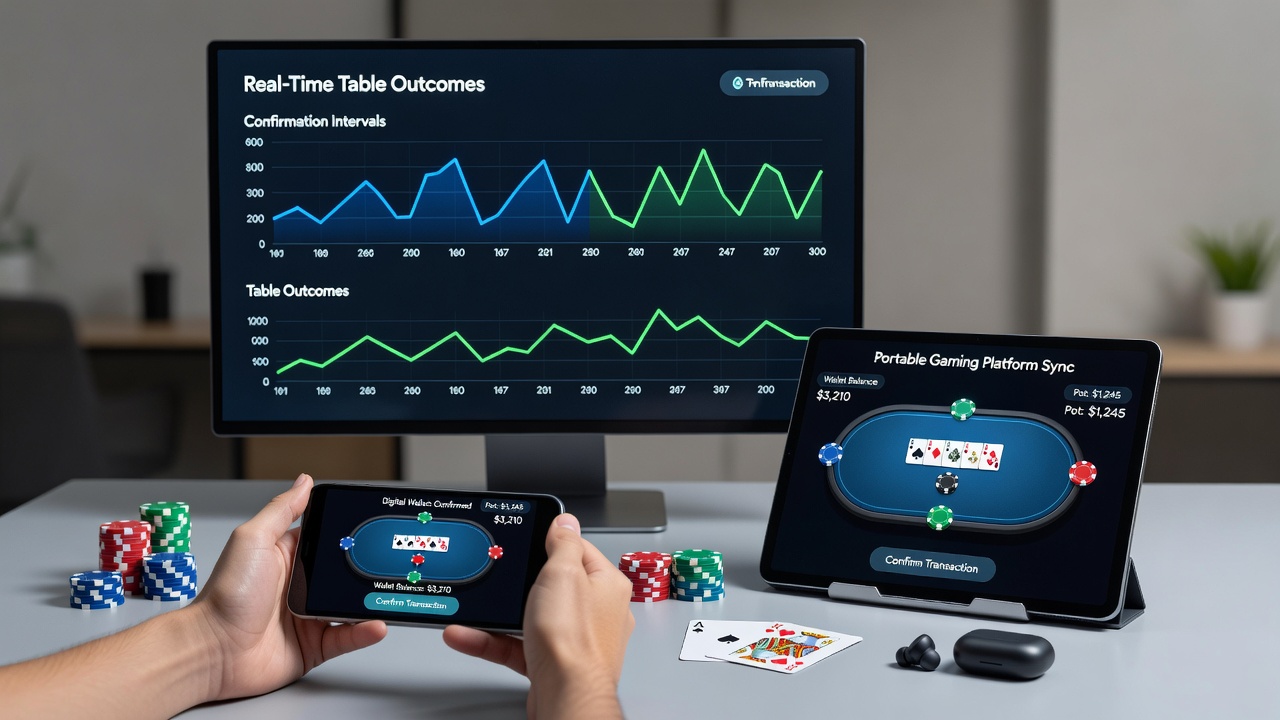
Portable gaming platforms require precise coordination between digital wallet confirmation intervals and real-time table outcome tracking to maintain seamless player experiences during sessions involving roulette, blackjack, and poker variants. Systems must handle variable network conditions while aligning payment authorizations that typically span three to eight seconds with outcome feeds updated every 500 milliseconds. Observers note that developers achieve this through layered API calls where wallet gateways transmit status updates to a central game server that simultaneously processes table results from live dealer streams.
Core Technical Components in Mobile Environments
Digital wallets such as those offered by major providers integrate via secure tokenization protocols that confirm transactions before releasing game credits. Real-time table outcome tracking relies on WebSocket connections that push data from casino servers to handheld devices without full page reloads. Researchers at institutions studying gaming technology have documented how synchronization engines buffer incoming table results during the brief window required for wallet confirmations, preventing discrepancies that could arise when a bet settles before funds fully authorize. Data from industry reports indicates average latency reductions of 40 percent when these buffers operate on edge servers located near player locations.
Portable devices introduce additional variables including fluctuating signal strength and battery optimization modes that can delay packet delivery. Engineers address these factors by implementing fallback timers that extend confirmation intervals up to 12 seconds during network congestion while maintaining outcome accuracy through redundant data streams. Studies from North American research centers show that platforms employing adaptive polling intervals experience fewer desync events compared to fixed-interval systems.
Integration Methods and Latency Management
Developers coordinate these elements by establishing priority queues where table outcome packets receive higher transmission precedence than secondary wallet status checks. This approach ensures players see immediate results even as payment confirmations complete in the background. One documented implementation from Australian gaming operators uses timestamp synchronization across distributed servers, matching wallet approval timestamps with table spin or deal sequences to within 50 milliseconds. Such precision supports regulatory requirements for transparent outcome reporting in jurisdictions outside the UK.
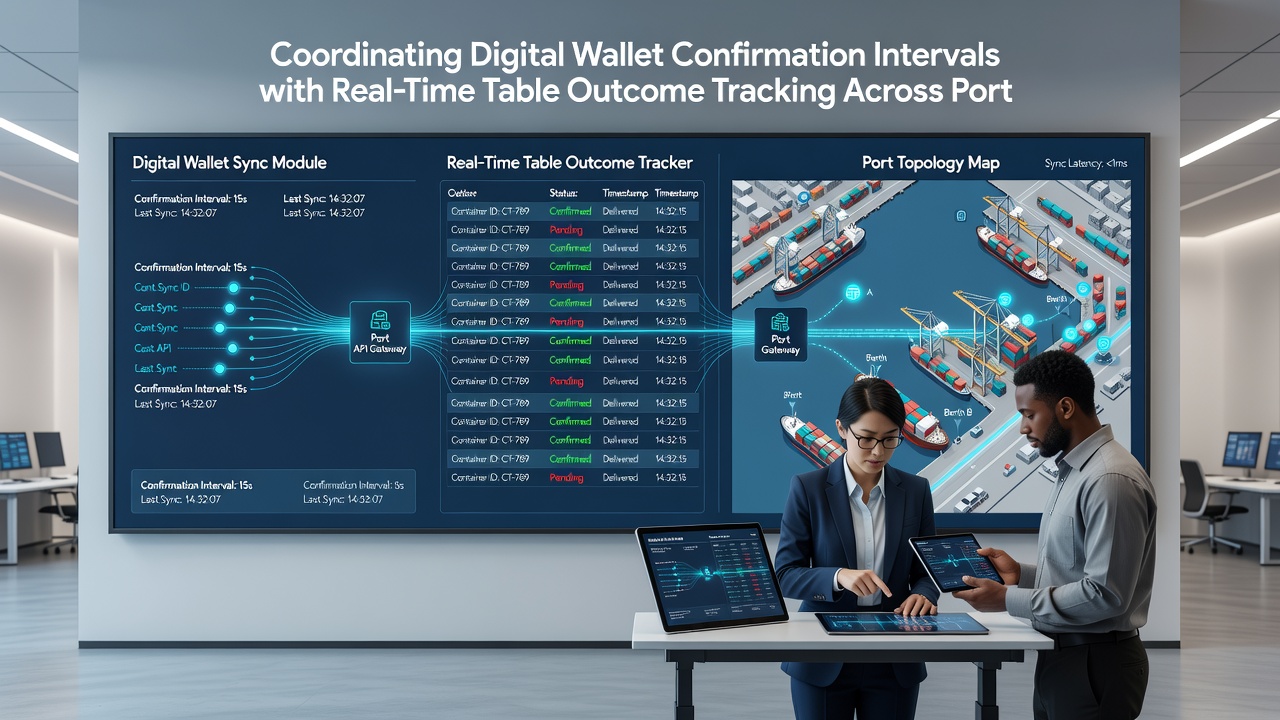
Additional safeguards include checksum verification on outcome data packets that cross-reference against wallet transaction logs before finalizing bets. When intervals misalign, automated reconciliation routines adjust player balances retroactively based on server-side records. Figures from Canadian provincial regulators reveal that platforms with these reconciliation features report dispute rates below 0.02 percent across millions of mobile transactions annually.
Regulatory Developments and Future Standards
Beginning in September 2026, updated technical specifications from the Nevada Gaming Control Board will mandate enhanced logging of wallet confirmation intervals alongside real-time table feeds for all licensed mobile operators serving the region. These rules emphasize audit trails that capture every synchronization event, allowing examiners to verify fairness across portable platforms. Similar frameworks under consideration by European gaming associations focus on cross-border data consistency for operators managing multi-jurisdictional mobile traffic.
Industry organizations such as the European Gaming and Betting Association have published guidelines encouraging standardized timestamp formats that reduce integration errors between wallet providers and game engines. Those standards recommend maximum confirmation windows of six seconds for standard transactions while permitting extensions during verified network disruptions. Platforms adopting these practices demonstrate improved compliance metrics according to aggregated operator reports.
Practical Implementation Examples
Take one operator that deployed a hybrid synchronization model combining local device caching with cloud-based verification. Players on this system experience uninterrupted table tracking even when wallet confirmations extend due to multi-factor authentication prompts. Another case involves a Canadian platform that linked outcome tracking directly to payment gateway webhooks, cutting average resolution time for bet settlements by 35 percent. Data from these deployments shows consistent performance across iOS and Android environments when using unified protocol stacks.
Academic analyses from university gaming labs further highlight how machine learning models predict potential interval mismatches based on historical network patterns, allowing preemptive buffer adjustments. These predictive layers operate without altering core wallet security measures or table randomness protocols.
Conclusion
Effective coordination between digital wallet confirmations and real-time table outcome tracking forms a foundational element of reliable portable gaming operations. Continued refinement of these systems supports expanding mobile participation while meeting technical and regulatory benchmarks across multiple regions. Platforms that maintain precise synchronization continue to deliver consistent experiences as network technologies and wallet services evolve.