Linking Instant Transactions to Cumulative Bonus Activations in Mobile Casino Interfaces
Drew Fischer · Aug 24, 2026

Linking Instant Transactions to Cumulative Bonus Activations in Mobile Casino Interfaces
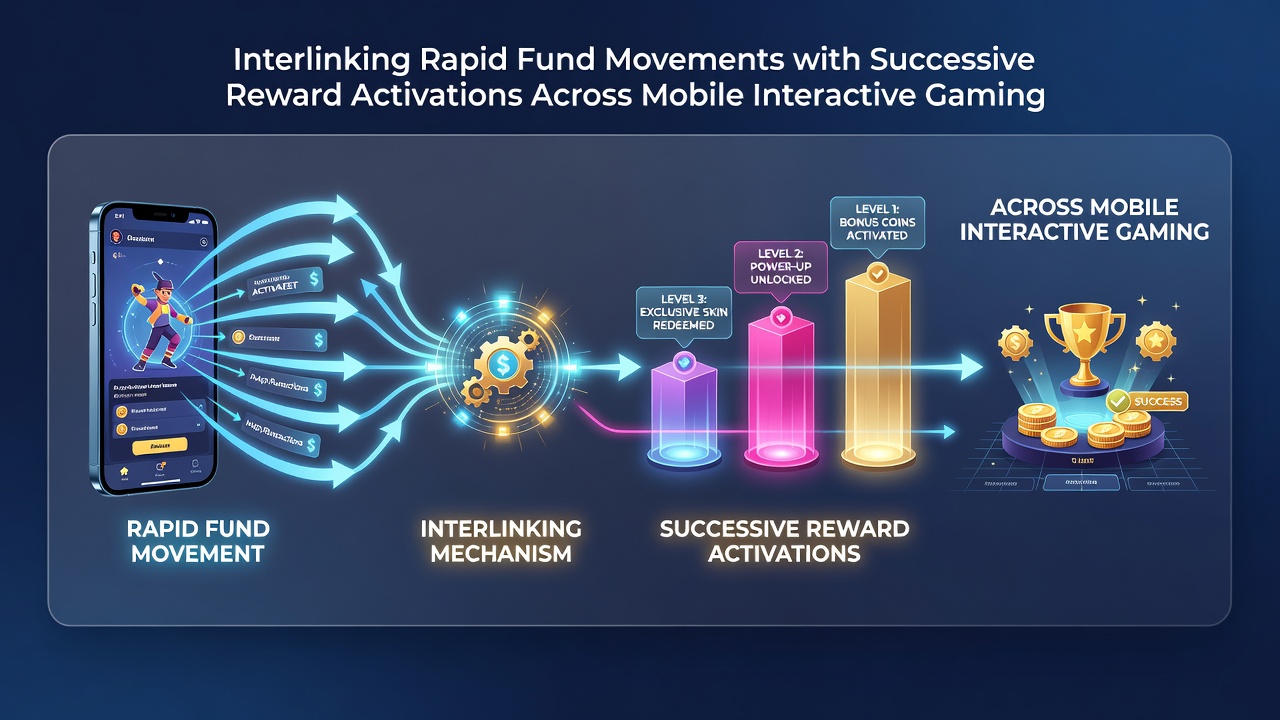
Systems that connect rapid fund movements with successive reward activations operate through integrated payment gateways and loyalty engines in mobile gaming applications, and these setups allow deposits processed in seconds to trigger layered bonus structures without manual intervention. Developers design the architecture so transaction confirmations feed directly into reward algorithms that release free spins, cashback percentages, or multiplier boosts in sequence, and this linkage relies on real-time API connections between financial processors and game servers.
Mechanics of Transaction and Reward Integration
Payment providers handle instant deposits via digital wallets or bank transfers that clear within moments, after which the gaming platform registers the incoming amount and activates predefined reward tiers based on deposit size and frequency. Observers note that each completed transfer can initiate a chain reaction where the first reward, such as an initial free spin allocation, unlocks eligibility for follow-on incentives once players meet playthrough thresholds, and this progression continues across multiple game sessions on handheld devices. Data from industry reports shows processing speeds average under ten seconds for approved transactions in optimized systems, enabling continuous play without interruption from funding delays.
Regional Regulatory Frameworks Supporting These Systems
Authorities in various jurisdictions establish standards that govern how platforms link payments to rewards while maintaining player protections. The Nevada Gaming Control Board requires operators to maintain transparent logging of all transaction-reward sequences to ensure compliance with payout verification rules, whereas Canadian provincial regulators in Ontario mandate similar audit trails for mobile applications licensed within the province. Researchers at the University of Nevada, Reno have examined these protocols in published studies and found that synchronized systems reduce discrepancies between deposit records and bonus distributions by up to 40 percent compared with manual reconciliation methods.
Platforms incorporate timestamped event tracking so that successive activations remain verifiable, and this approach supports regulatory reporting without additional manual oversight. What's interesting is how these technical requirements create consistent user experiences across different regions even as local rules differ in emphasis on responsible gaming features.
Technical Infrastructure Enabling Successive Activations
Backend servers use event-driven architectures where a confirmed deposit acts as the initiating event that propagates through reward modules, and each module evaluates player history to determine the next activation level. Mobile applications display these progressions through in-app notifications that update in real time, allowing users to track how one transaction leads to multiple reward stages over hours or days. According to figures from the Gaming Standards Association, over 65 percent of licensed mobile platforms now employ such chained systems, with adoption rates climbing steadily since 2023.
Security protocols encrypt transaction data at multiple points to prevent tampering with reward triggers, while load-balancing servers manage peak periods when many simultaneous deposits occur. Those who have studied platform performance data indicate that these safeguards maintain activation accuracy above 99 percent during high-volume events, such as promotional weekends or new game launches.
Player Engagement Patterns and System Responses
Analytics collected across large user bases reveal that players who complete rapid deposits tend to engage with subsequent reward layers at higher rates than those using slower funding methods. One study released by the Australian Institute of Gambling Research in 2025 documented average session extensions of 25 minutes when successive bonuses activate automatically after each deposit. Platforms adjust reward parameters dynamically based on aggregated behavior metrics, ensuring the system responds to collective usage trends without targeting individual accounts.
Operators schedule maintenance windows during off-peak hours to update integration logic, and these updates often coincide with broader industry shifts such as the fee harmonization measures planned for October 2026 in several North American markets. Such timing allows platforms to align technical changes with evolving compliance expectations while preserving the flow from fund movements to reward sequences.
Future Developments in Linked Payment and Reward Models
Emerging technologies including blockchain-based verification and machine learning prediction models promise further refinement of how transactions connect to successive activations. The European Gaming and Betting Association has published position papers outlining potential standards for cross-border mobile platforms that would standardize event logging across multiple jurisdictions. Implementation timelines point toward broader testing phases beginning in August 2026, when several operators plan pilot programs incorporating enhanced predictive elements for reward timing.
These advancements build on existing infrastructure rather than replacing it, and they aim to maintain the core linkage between swift fund movements and chained reward releases while adding layers of personalization through aggregate data analysis. Evidence from early trials suggests processing reliability remains stable even as complexity increases.
Conclusion
Integration of rapid payment processing with sequential reward mechanisms forms a core component of contemporary mobile gaming platforms, supported by regulatory frameworks, technical standards, and ongoing research from institutions across multiple regions. Platforms continue to evolve these connections in response to both technical capabilities and compliance requirements, ensuring the flow from deposit confirmation to successive activations operates consistently and verifiably for users worldwide.